2026-08-20 · Frank Ramirez
Spotting Hidden Appliance Water Damage in Humid Houston Homes
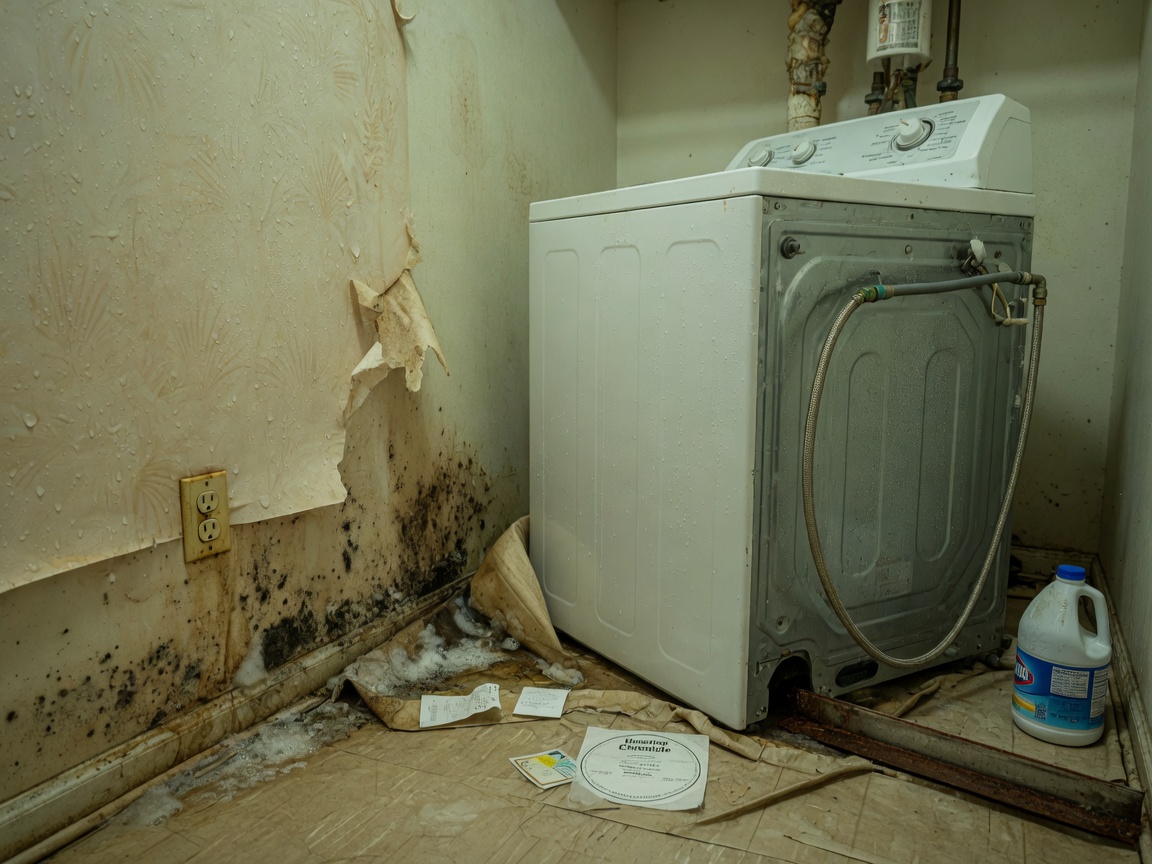
Houston homeowners often miss appliance leaks because high humidity masks early moisture until it reaches 8–12 weeks of unchecked growth. In neighborhoods like the Heights and Montrose, older 40-gallon water heaters and refrigerators in tight utility closets allow water to pool behind walls without visible puddles on tile floors.
Why Humidity Conceals Appliance Leaks in Harris County Homes
Subtropical summers push indoor relative humidity above 70 percent for weeks, letting slow drips from dishwashers or washing machines evaporate before they stain baseboards. Mild winters keep soil moisture high around slab foundations common in Midtown and Downtown, so water migrates upward through cracks rather than pooling visibly. Homes built before 1980 in River Oaks frequently have cast-iron drain lines that corrode under kitchen appliances, sending moisture into wall cavities where it feeds mold on drywall paper facing. This combination means a 1-gallon-per-day leak can remain undetected until musty odors reach living areas or ceilings sag in adjacent rooms.
Common Appliance Sources in Houston Housing Stock
Refrigerator ice makers rank as the top hidden culprit in single-story bungalows throughout the Greater Heights because supply lines run behind cabinets and rarely get inspected. Dishwashers in 1960s–1970s ranch homes near the Houston Zoo often leak at the door gasket after 7–10 years, with water traveling under hardwood floors toward exterior walls. Washing machines in utility rooms of Midtown apartments and condos frequently overflow during spin cycles when drain hoses crack, saturating carpet padding that sits directly on concrete slabs. Checking the area behind the appliance every 90 days catches these issues before they require full cabinet removal.
Step-by-Step Visual and Sensory Checks
Begin by pulling the refrigerator 6 inches from the wall and inspecting the floor for darkened grout lines or warped particleboard shelving. Run a dry hand along the back of the dishwasher and feel for cool spots indicating active seepage. Listen for the soft hiss of a slow drip from the washing machine drain hose during the rinse cycle. In River Oaks and nearby areas, lift the corner of any area rug near the appliance and check for dark staining on the pad. These checks take under 10 minutes and reveal 80 percent of leaks before they reach neighboring rooms.
When Thermal Imaging and Professional Tools Become Necessary
Homeowners should consider Thermal Imaging Leak Detection once moisture readings exceed 15 percent on a pin meter behind baseboards. Houston's high humidity makes standard visual checks insufficient after heavy rains, so pairing thermal scans with moisture mapping prevents unnecessary demolition. The related post Handling Appliance Leaks After Houston Heavy Rains explains how storm runoff combines with appliance leaks to overwhelm standard drying equipment. Early detection keeps repairs under the $400–$1,500 range typical for localized Structural Dehumidification rather than full-room reconstruction.
Practical Next Steps for Houston Residents
Schedule a walk-through during business hours at 2502 Center Street, Houston, TX 77007 if any check reveals cool spots, staining, or odors. Document findings with dated photos before calling for extraction. Residents in Katy, Sugar Land, or Pearland facing similar issues can reference the cost-influencing factors outlined in What Influences Appliance Leak Cleanup Costs in Houston to prepare realistic expectations. Consistent quarterly inspections protect both property value and indoor air quality in the region's persistent humidity.