2026-10-14 · Frank Ramirez
How to report a water leak in Houston, TX?
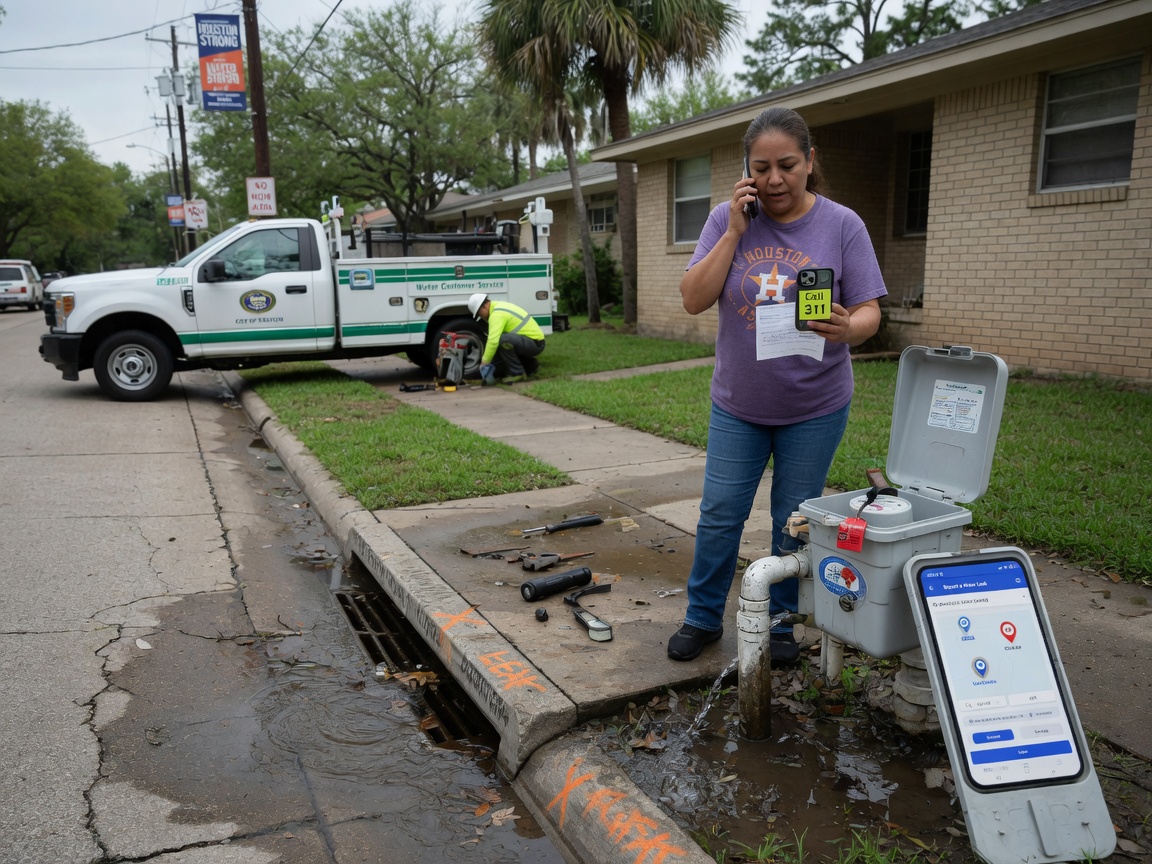
In Houston, TX, report a water leak by first calling 3-1-1 for city-related issues or your water utility provider if the problem stems from a main line, then document the appliance source and contact a restoration team if indoor damage appears in homes throughout Harris County.
Contacting Houston Utilities and City Services
Houston's 3-1-1 line handles reports for leaks affecting public infrastructure, such as those impacting streets in Downtown or Midtown. Residents in the Heights or River Oaks often deal with older galvanized pipes that corrode faster in the subtropical climate with hot humid summers. When an appliance like a washing machine or refrigerator leaks, start with your water provider to shut off supply, then note the exact location and time. This record helps if runoff reaches nearby properties in areas like Montrose. Utility crews respond based on whether the issue is private or municipal, and delays during mild winters can still allow hidden moisture to spread in slab foundations common to local housing stock. Always confirm the leak is not from a city meter before involving private services.
Documenting Appliance Leaks for Insurance Claims
Proper documentation starts with photos of the affected appliance, water spread, and any drywall discoloration before cleanup begins. In neighborhoods like the Heights, where many homes date back decades, appliance leaks frequently originate from supply lines under cabinets. Homeowners in Sugar Land or Pearland should record serial numbers and installation dates, then notify their insurer within 24 hours to avoid coverage gaps. The subtropical humidity accelerates secondary damage, so timestamped images prove the timeline. Water Damage Insurance Claims in Texas: Step-by-Step Guide for Homeowners outlines required forms and adjuster interactions specific to Texas policies. Keep copies of all communications with utilities and any plumbers called to the site.
Using Detection Tools in Local Housing Stock
Thermal imaging helps locate hidden moisture behind walls in Midtown apartments or River Oaks estates without invasive cuts. Older homes in the Heights often have layered flooring that traps water from refrigerator or dishwasher failures, and the area's mild winters do not dry materials naturally. Professionals scan for temperature differences caused by evaporation in Houston's humid air. Thermal Imaging Leak Detection identifies the full extent before extraction starts. This step prevents unnecessary demolition in dense neighborhoods where access is limited. Residents near the Houston Zoo or Museum of Fine Arts benefit from non-destructive checks that preserve original construction details.
Next Steps After Reporting and Initial Containment
Once reported, shut off the appliance water supply and move contents away from the wet zone to limit secondary damage. In Downtown high-rises or Katy suburbs, extraction must begin within hours because humidity levels promote rapid mold on baseboards and insulation. How to tell if water damage is permanent? explains material thresholds that apply to local hardwoods and drywall. Follow up with the city or utility for confirmation numbers, and schedule professional drying if saturation reaches subfloors common in Harris County homes. RapidDry Impact Restoration at 2502 Center Street, Houston, TX 77007 operates Mon–Fri 8am–6pm and Sat 9am–2pm to support these timelines.